


When designing a home, there are many considerations to weigh. Cost. Comfort. Functionality.
Chief among these are safety and stylishness. Homeowners need a property that can protect their ongoing health and wellness and do so while providing optimal attractiveness.
Fortunately, the two concerns are not mutually exclusive. There are a number of innovative materials and design tactics that can balance the best of both worlds. Keep reading as we explore some of the essential components of a home interior that are both safe and stylish.
Effective Noise Mitigation
With more people working from home, going to school online, and/or living remote lifestyles, the need for a quiet, productive home environment has never been greater.
Fortunately, stapling egg cartons to the walls can be left to 90’s garage bands. There are far more stylish means of soundproofing a home these days.
A soundproof door is an essential for home offices, bedrooms, or any other area that needs next-level tranquility. Available in stately oak and sleek metal options, soundproof doors are typically filled with a mass-loaded vinyl core to keep noise from crossing sacred barriers. Another great option is acoustic panel art. Typically consisting of a fiberglass or mass-loaded vinyl core wrapped in decorative fabric, it hangs on the wall similar to a portrait. Acoustic panels can achieve a noise reduction coefficient (NRC) approaching 1 with as little as 15-25% wall coverage, providing a low-profile means of adding soundproofing mass to the home’s walls.
Open and Flowing
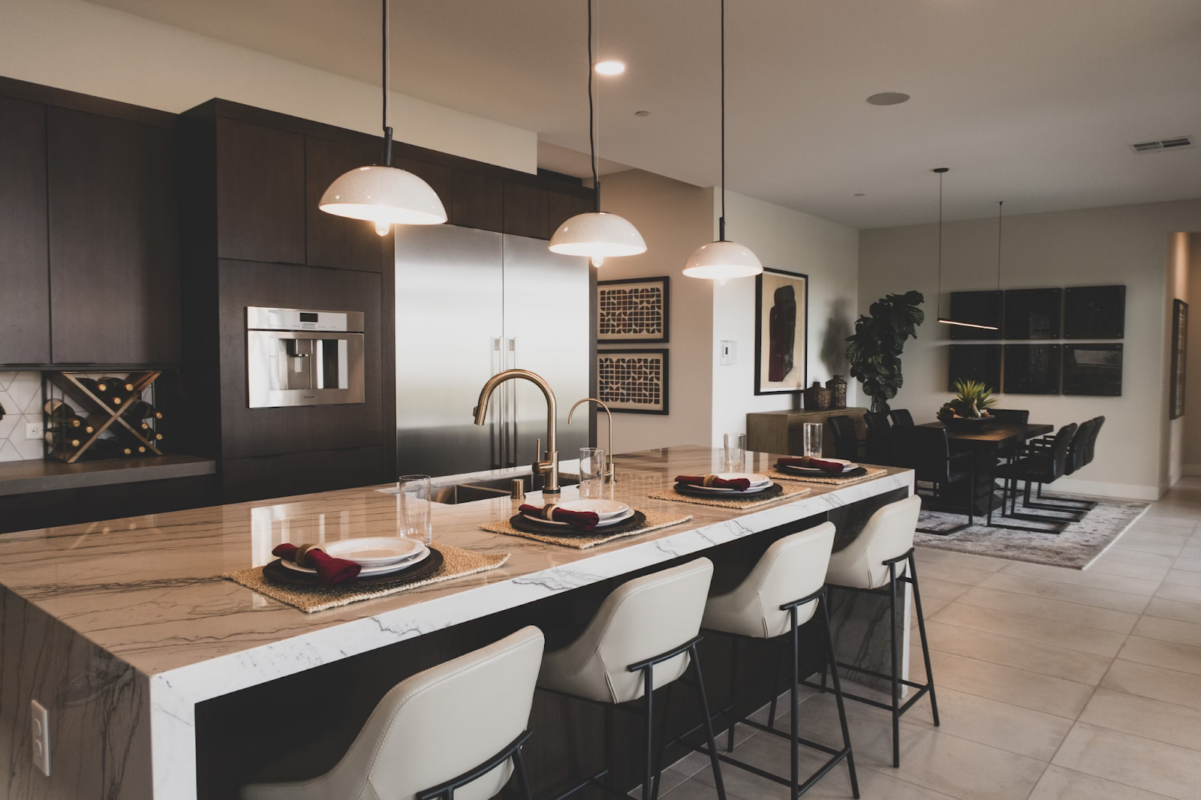
Defined space used to be the name of the game in interior design. The kitchen was meant for cooking. The sunken living room was meant for socializing. The laundry area was tucked away in the basement and kept out of sight. End of story.
The game has changed significantly in modern design. Heavily-partitioned interiors have fallen out of favor. Open and flowing spaces are now the preferred option.
Open interiors provide myriad benefits to homeowners. They more effectively diffuse light and conditioned air for improved energy efficiency. They provide a more welcoming ambiance. They are far more dynamic and streamline future reconfiguration.
Some of the hallmarks of the open interior concept include large kitchen islands to softly transition between areas of the home, hard flooring that provides consistent aesthetics throughout the house, and increased interior glass for improved light transmission.
Earthy Neutrals
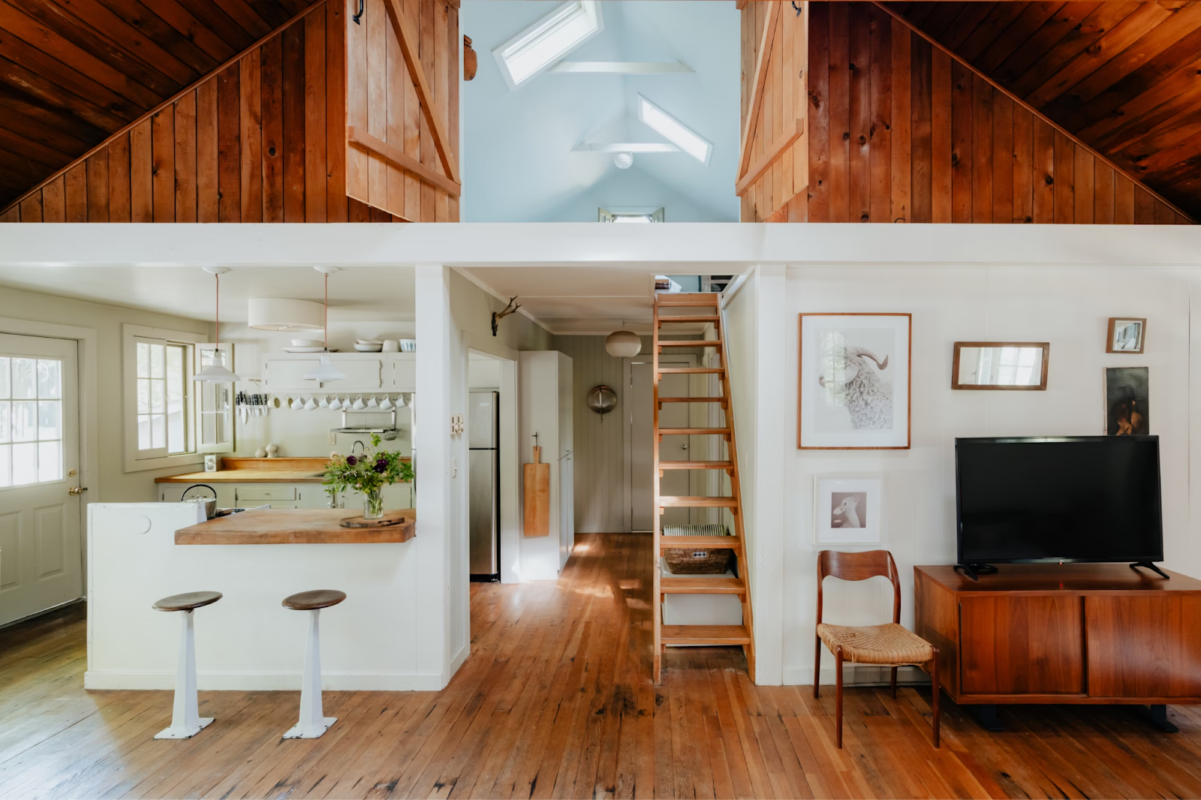
It seems like interior color preferences change with the wind. One minute light neutrals are all the rage, the next bold and vibrant are the preferred flavor.
With that said, it does appear that earthy neutrals (terracotta, ochre, sage, etc.) are set to grace the walls of more homes in 2025. Given the rise in biophilic sensibilities, these earth-based tones can help set the mood for a relaxing, natural ambiance.
Regardless of whether you opt for earthy tones in your interior, it is critical to take a professional approach when attempting a color switch. Too many DIYers view painting as a “simple” task, resulting in projects that require a do-over. Invest in the appropriate scouring tools and paint strippers to prepare the surface, use the right combination of rollers for flat areas and brushes for the corners, and give the surface layer plenty of time to dry before adding an additional coat for the most stunning end result possible.
Multigenerational Friendly
Living with parents used to be a bit of a taboo topic, a situation reserved only for major life crises and something to be avoided by anyone aspiring toward success.
Fast forward to 2025. The rising cost of housing, inflation outstripping wages, and insufficient child/elderly care options are making multigenerational living the new normal for many households.
As such, it is crucial to incorporate interior features that can accommodate the gamut of generations. Adequate railing around staircases and lofts reduce the risk of falls. Sleek glass and stainless steel cable are trending railing options in homes that want top-notch safety without sacrificing the open interior aesthetic. The appropriate grab bar placement height in showers and around toilets can increase the safety and functionality of restrooms for everyone from toddlers to grandparents. Rounded countertops and non-slip floor finishes can limit the frequency and severity of falls.
Sustainability-Centric
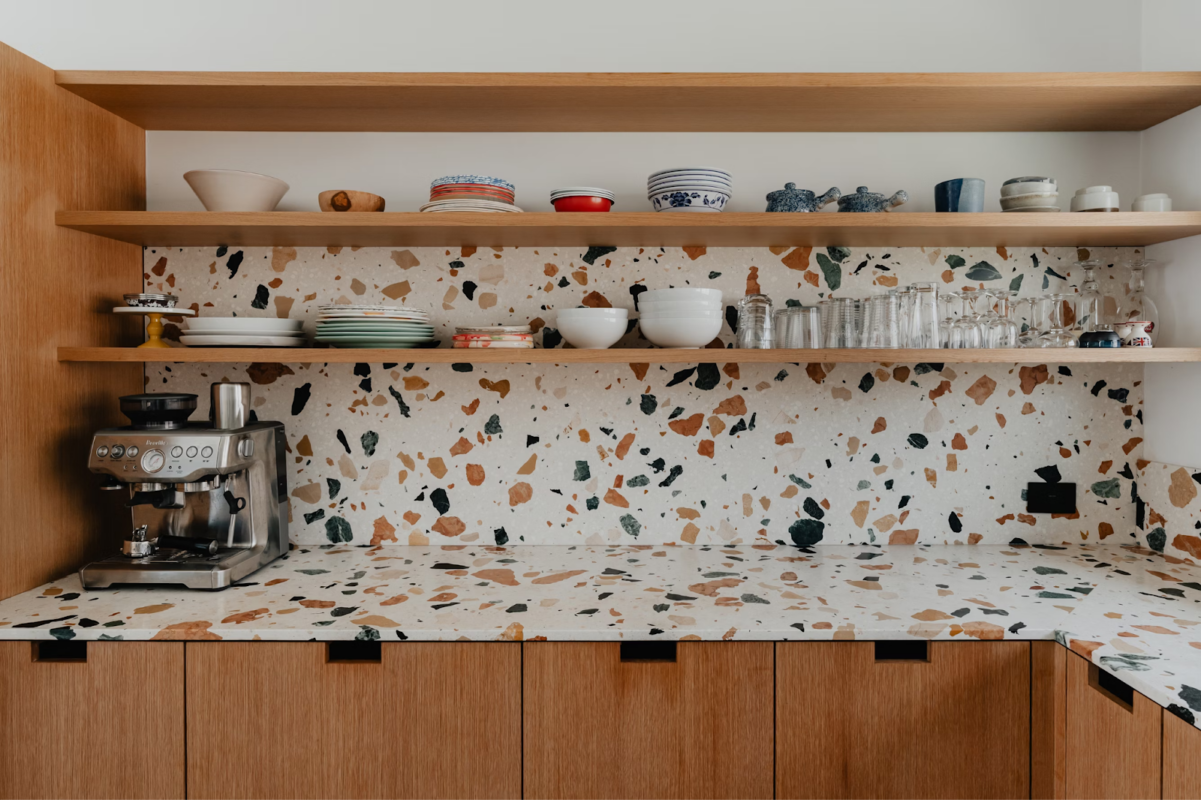
The need for sustainable homes is only going to intensify. Society becomes more conscientious and government regulations tighten by the day. Some of the myriad ways to seamlessly incorporate sustainability features into your interior include:
- Choosing durable flooring and countertop options for fewer ongoing upkeep and replacement resources
- Exploring wall mounted fans and radiant floor heating to reduce reliance on forced-air HVAC
- Replacing windows for improved light transmission and reduced air transfer through the building envelop
- Incorporating smart thermostats for optimized heating and cooling
Not only will these sustainable features help you save on utility costs, but they can help the property achieve a premium value on the resale market.
The New Standard for Safe and Stylish Properties
There is no reason to choose between safety and stylishness when designing a home. It is perfectly feasible to accomplish both ends simultaneously. From modern noise mitigation to strategic sustainability features, consider any of the ideas listed above when designing a safe, stylish property. For more of the latest trends in contemporary interior design, explore the content at Charlie’s Designs for ideas and inspiration!
Author Bio:
Sam Willis is a freelance writer that loves sharing his knowledge and expertise in residential and commercial real estate, as well as engineering, construction, and business. He lives in Atlanta, Georgia where he enjoys spending time with his wife and researching real estate trends in his free time. Sam’s work as a freelance writer can be found on Building Product Advisor, a construction industry resource site.